
Why a 200 kW Charger May Deliver 60 kW
2026-11-03 · Updated: 2026-11-04 · 3 min read
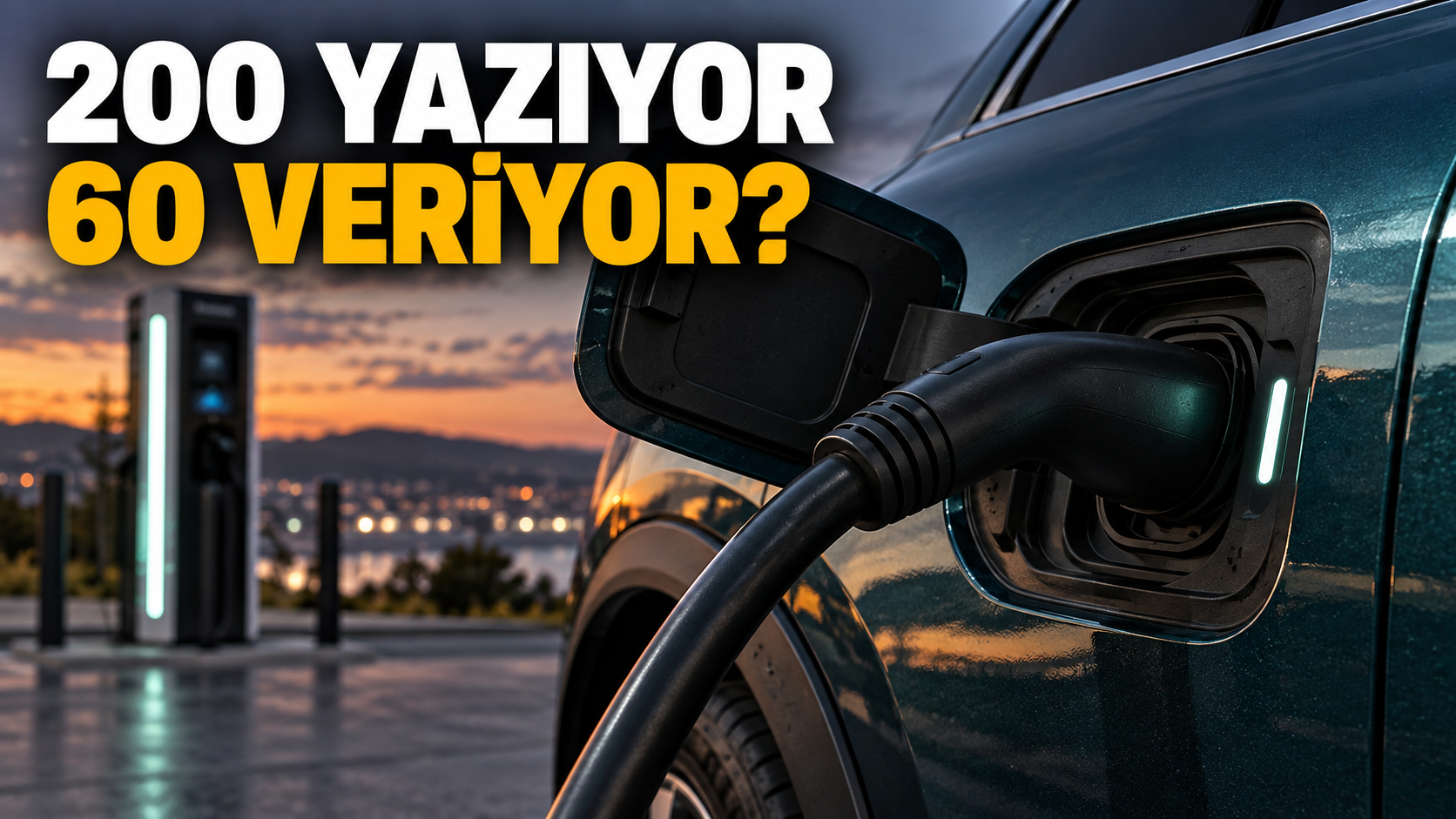
A 200 kW label describes a charger's capability under its specified conditions. It does not promise that every car will accept 200 kW throughout a session. The charging result depends on the vehicle, battery state and the charging site together.
Check the vehicle's supported DC charging
Start with the exact model and battery version. A headline charger rating above the car's supported capability does not raise the vehicle's limit. Also distinguish AC charging specifications from DC charging specifications; they describe different charging paths.
Use the manufacturer's current documentation for the vehicle. Do not substitute the highest figure from a related trim or another model year. The purpose is to establish the relevant boundary before deciding that the station is underperforming.
Battery percentage changes the context
Charging power can vary as the battery fills. A reading taken at a high state of charge is not directly comparable with one taken earlier in a different session. Record starting percentage, the interval observed and the ending percentage rather than comparing two isolated peaks.
A session average can be more useful for planning than the highest momentary power. To compare a practical stop, use the same percentage interval where possible and record elapsed time and energy delivered. A short high-power burst does not determine the entire stop.
Temperature and preparation matter
Follow the vehicle's instructions about battery temperature and any supported charging preparation. Do not assume that preparation features exist or work identically on every car. Document the conditions and use the procedure specified for your model.
A cold or otherwise unsuitable battery condition can make one session different from a favourable demonstration. That does not establish a fault by itself. Repeated unexpected results under appropriate comparable conditions are more useful evidence for the operator or manufacturer.
Include the charging site
Check whether the charger or site has relevant power-sharing or operating conditions. Read the session information and any operator notice. A single number on the enclosure may not describe the currently available output under every site configuration.
If a problem persists, retain the station identifier, time, vehicle details and session record. That gives support a concrete case to investigate. Avoid blaming either the car or the operator solely from one low screenshot.
Keep kW separate from kWh
kW is power; kWh is energy. A simplified constant-power calculation would divide energy by power to estimate time, but actual sessions can change power over time. Present that calculation as theoretical rather than as a guaranteed charging duration.
For illustration, 30 kWh delivered at a constant 60 kW would take half an hour before other considerations. This does not mean a real car will hold 60 kW over that entire interval. Use the actual session profile when planning a repeated route.
A practical comparison record
Write down vehicle version, starting and ending charge, approximate conditions, site, delivered energy and elapsed time. Compare like with like, and note deviations instead of deleting an inconvenient run. The result should explain a session, not merely showcase its best second.
The accompanying video uses the question of 200 kW versus 60 kW to introduce these limits. It is not a benchmark of a specific station. For the bill itself, read EV charging cost, which separates purchased energy from battery energy and additional charges.
Sources and scope
Related videos
The linked videos use Turkish narration. This article provides the English explanation of the same topic and assumptions.
Edited by GKN Labs. Editorial update: 4 November 2026. Cover and explanatory visuals are illustrative, not evidence of product testing or measurement.
Related
 Business
How Long to Upload 1 TB? Use Upload Speed, Not Download
Calculate 1 TB cloud upload time from Mbps, distinguish bits from bytes and account for daily operating hours, interruptions and real service limits.
 Business
NAS Electricity Cost: Calculate 24/7 Energy Use
Calculate annual NAS electricity use from watts or measured kWh, understand adapter ratings and add energy to a complete storage-cost comparison.

NAS vs Cloud Storage: Compare Three-Year Ownership Costs
Compare NAS and cloud storage with a three-year cost example, usable RAID capacity, electricity, backup requirements and a practical decision checklist.
Turkish narration. Understand charger ratings, vehicle limits, battery temperature and charge level, then compare whole DC sessions instead of peak power alone. Read the companion English guide for the same topic and assumptions.