
Brake Fluid: Why a Full Reservoir Does Not Mean Fresh Fluid
2026-11-03 · Updated: 2026-11-04 · 3 min read
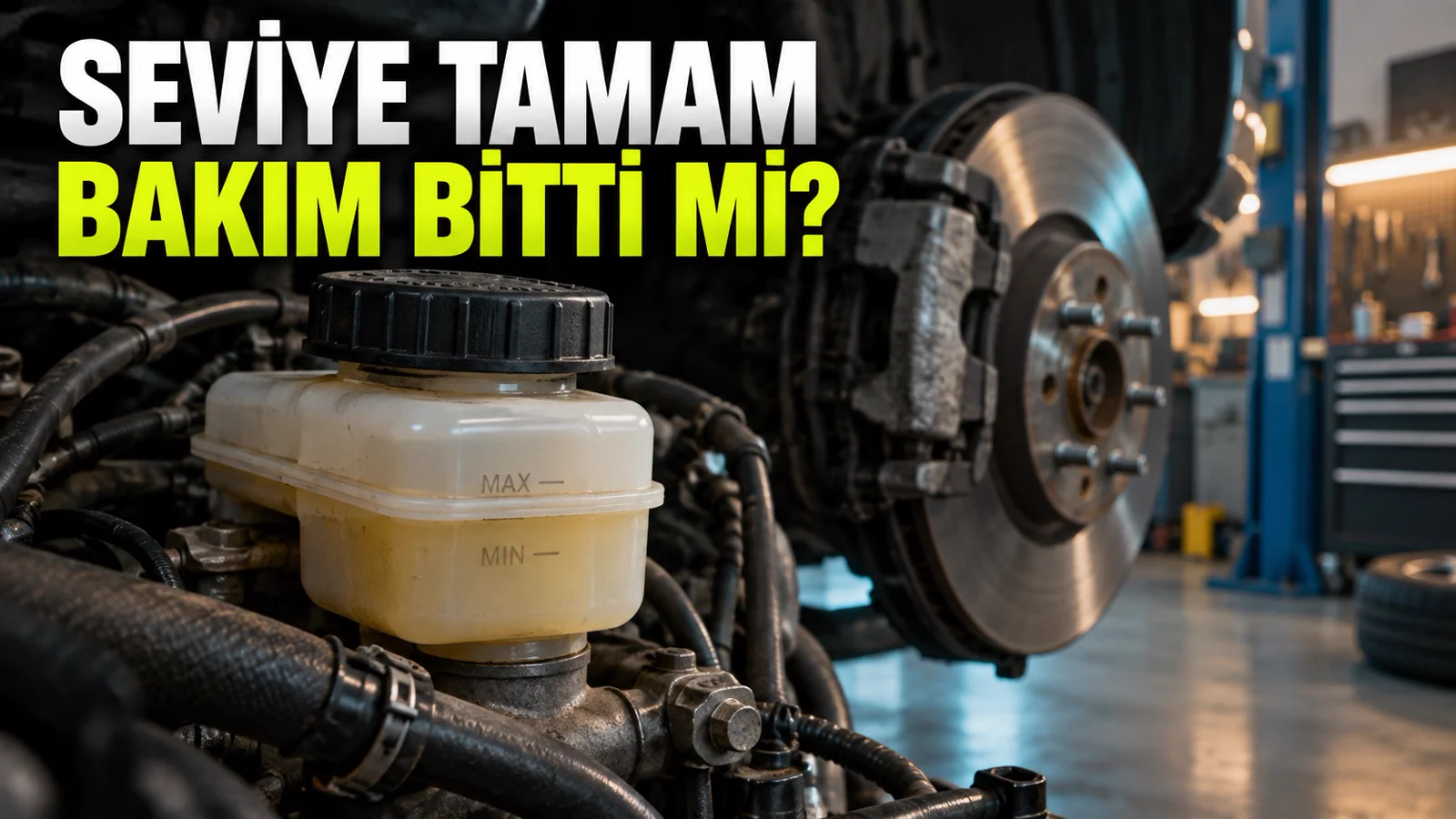
Brake-fluid level and brake-fluid condition are different checks. A reservoir can appear full while the fluid's properties have changed. Topping up when the level falls is not a substitute for the vehicle manufacturer's maintenance plan or an investigation of a braking symptom.
Understand what the level shows
The level is one observation about the system at that moment. It does not establish the age, contamination or performance of the fluid. Record when the relevant maintenance was last performed and which specification the vehicle requires.
If the level falls unexpectedly, the brake feel changes or a brake warning appears, follow the vehicle's instructions and seek qualified attention. Do not simply add fluid and assume the reason has been addressed. Braking is a safety-critical system.
Why moisture is relevant
Common glycol-based brake fluids can absorb moisture. The US FMVSS 116 standard includes handling and labelling requirements intended to prevent contamination and moisture absorption. It also defines dry and wet boiling performance separately.
For example, the standard lists minimum DOT 4 boiling values of 230°C dry and 155°C wet under its specified test conditions. Those are standard requirements, not a measurement of the fluid in your car. They do not provide a way to determine remaining service life by looking at the reservoir.
Do not turn a standard into a service interval
A fluid classification and a replacement interval answer different questions. Use the vehicle manufacturer's required fluid and maintenance schedule for the exact model. Do not apply one interval to all cars or assume a higher-looking class number is an approved substitution.
If the service history is incomplete, discuss that uncertainty with a qualified workshop. A guessed change date or a bottle left from another vehicle is not a reliable basis for maintenance planning.
Keep handling and replacement with the right service process
This guide does not provide instructions for bleeding brakes, mixing fluids or carrying out a home replacement. The correct specification, equipment and vehicle-specific procedure matter. A short explanatory video cannot establish that a reader is equipped to perform that work.
Ask a service provider to identify the fluid used and record the date and mileage. Keep the invoice with the maintenance history. A traceable record makes the next scheduled decision easier than relying on a visual impression of the reservoir.
Ask precise questions
Which fluid specification does the manufacturer require? What does the maintenance plan say for this vehicle? Was the falling level investigated? What work was completed and recorded? These questions help separate inspection, diagnosis and routine replacement.
If a recommendation differs from the handbook, ask for the documented reason. Do not use an online generic interval to overrule instructions for the actual vehicle or dismiss a symptom because the reservoir looks normal.
What the video supports
The accompanying short explains that moisture and boiling behaviour are relevant and that a full reservoir does not prove maintenance is unnecessary. This article expands the distinction without claiming a GKN Labs fluid test or giving an emergency-driving procedure.
For another example of why specification matters beyond a familiar label, read the 5W-30 oil approval guide. The maintenance requirements are different, but the documentation principle is the same: use the exact vehicle's approved information rather than a category-wide assumption.
Sources and scope
Related videos
The linked videos use Turkish narration. This article provides the English explanation of the same topic and assumptions.
Edited by GKN Labs. Editorial update: 4 November 2026. Cover and explanatory visuals are illustrative, not evidence of product testing or measurement.
Related
 Business
How Long to Upload 1 TB? Use Upload Speed, Not Download
Calculate 1 TB cloud upload time from Mbps, distinguish bits from bytes and account for daily operating hours, interruptions and real service limits.
 Business
NAS Electricity Cost: Calculate 24/7 Energy Use
Calculate annual NAS electricity use from watts or measured kWh, understand adapter ratings and add energy to a complete storage-cost comparison.

NAS vs Cloud Storage: Compare Three-Year Ownership Costs
Compare NAS and cloud storage with a three-year cost example, usable RAID capacity, electricity, backup requirements and a practical decision checklist.
Turkish narration. Separate brake-fluid level from condition, understand dry and wet boiling specifications and use the vehicle maintenance schedule for replacement. Read the companion English guide for the same topic and assumptions.