
Both Oils Say 5W-30: Why Engine Approval Still Matters
2026-11-03 · Updated: 2026-11-04 · 3 min read
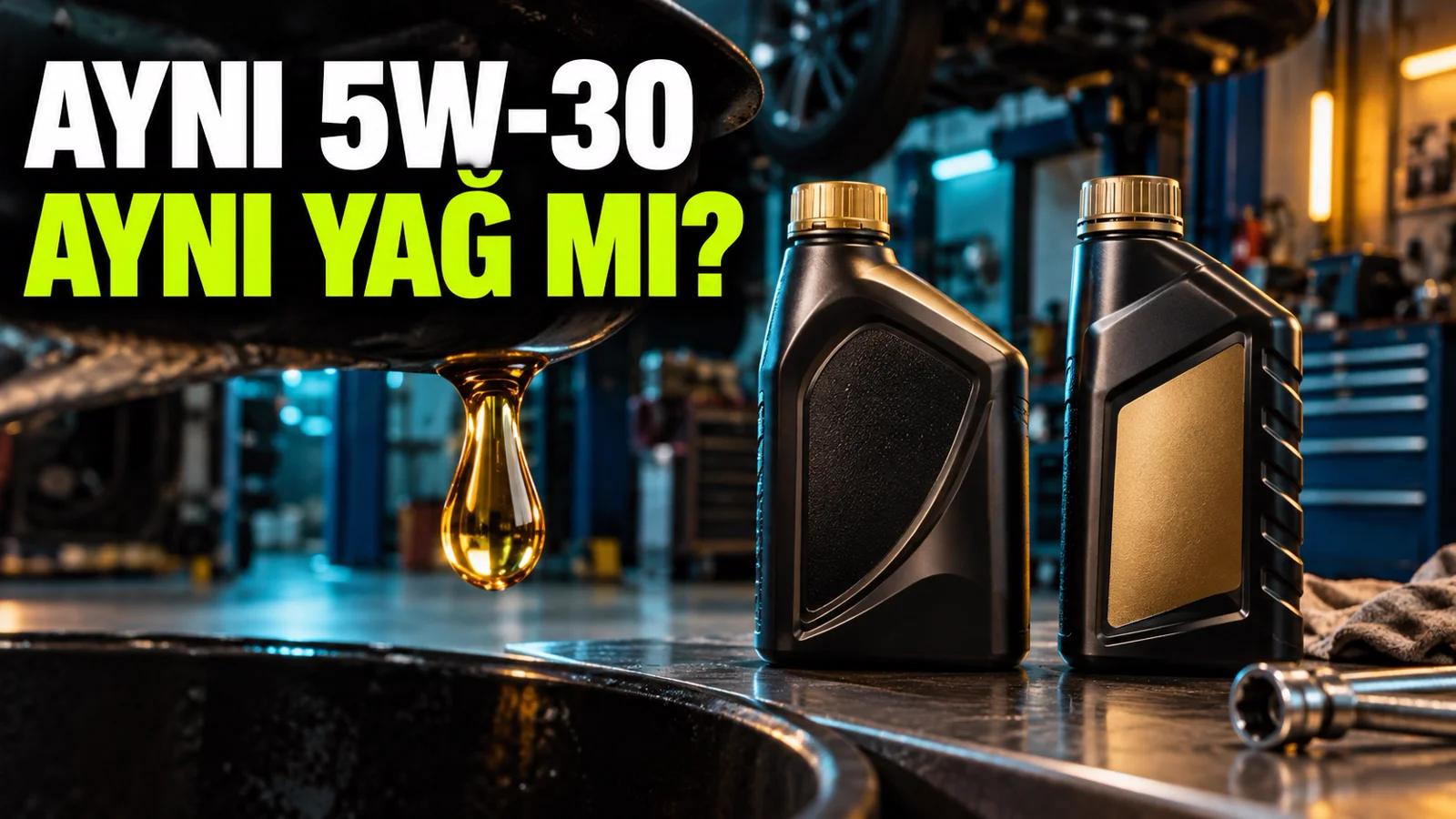
Two oil bottles can both say 5W-30 without meeting the same requirements. Viscosity grade is one part of selection; the engine manufacturer's required specification or approval is another. The useful question is which product meets the requirements for the exact engine, not which bottle looks more premium.
Read the requirement as a complete specification
Start with the vehicle handbook and the correct engine version. Record the required viscosity and any performance specification or approval code. Model name alone can be insufficient when several engines or model-year requirements exist.
Do not replace a missing code with an assumption based on another car. If the handbook is unclear or unavailable, ask the vehicle manufacturer's support or a qualified service provider to identify the requirement from the actual vehicle details.
Viscosity and approval answer different questions
Viscosity describes flow-related behaviour under specified conditions. It does not list every performance requirement the vehicle manufacturer may impose. Oil manufacturer TotalEnergies explains that products with the same viscosity can carry different approvals.
That distinction is the central point of the video. It is not a laboratory comparison declaring one oil superior in every engine. Different formulations can be designed for different engine and after-treatment requirements.
Compare the code, not just the brand
Inspect the product label and current technical sheet. Look for the exact requirement rather than a similar-looking number or a broad marketing description. If wording is ambiguous, ask the oil manufacturer what status the product has for that requirement.
Keep the product name, specification document and date together. A brand can sell several oils in the same viscosity grade, and a familiar package colour is not a substitute for identifying the exact product.
Price is not a compatibility test
A more expensive oil is not automatically more suitable for your engine. Conversely, choosing a lower price does not resolve a specification mismatch. Compare only products that meet the relevant requirements before considering price and availability.
Do not turn a recommendation for one engine into a universal choice for friends or another vehicle. Even a similar model badge may hide a different engine or emissions system. Use the exact documentation for each case.
Prepare useful questions for service
Ask which manufacturer specification applies, which exact product will be used and where that conformity is documented. Request that the invoice or service record identify the product clearly enough to trace it later. This is more useful than a record saying only that oil was changed.
If the proposed product differs from the handbook, ask for the manufacturer's documented basis rather than improvising a substitution. This guide does not provide mixing instructions, emergency top-up rules or a personal engine diagnosis.
Keep maintenance interval separate
Correct specification and replacement timing are separate checks. Use the vehicle's maintenance plan and relevant operating conditions for the interval. A suitable oil label does not, by itself, authorise extending service timing.
The article is an identification checklist, not a hands-on oil test. If there is an oil-pressure warning, leak or other symptom, follow the vehicle's instructions and seek appropriate service. Reading an approval code should help you ask precise questions; it should not replace diagnosis or the manufacturer's maintenance guidance.
Should a familiar product name replace the specification check?
No. Identify the exact product and current technical document. Similar branding can cover different requirements. Keep the full approval wording rather than relying on package colour or a remembered recommendation for another engine.
Sources and scope
Related videos
The linked videos use Turkish narration. This article provides the English explanation of the same topic and assumptions.
Edited by GKN Labs. Editorial update: 4 November 2026. Cover and explanatory visuals are illustrative, not evidence of product testing or measurement.
Related
 Business
How Long to Upload 1 TB? Use Upload Speed, Not Download
Calculate 1 TB cloud upload time from Mbps, distinguish bits from bytes and account for daily operating hours, interruptions and real service limits.
 Business
NAS Electricity Cost: Calculate 24/7 Energy Use
Calculate annual NAS electricity use from watts or measured kWh, understand adapter ratings and add energy to a complete storage-cost comparison.

NAS vs Cloud Storage: Compare Three-Year Ownership Costs
Compare NAS and cloud storage with a three-year cost example, usable RAID capacity, electricity, backup requirements and a practical decision checklist.
Turkish narration. Distinguish oil viscosity from manufacturer approval and check the exact engine, handbook requirements and product technical sheet before choosing oil. Read the companion English guide for the same topic and assumptions.